
Check and Share with Scamers.net
Scamers.net is a central hub for scammer information from around the world, providing a platform for verification before any transaction to ensure safety, and allows for free information sharing.
- Beware of scammers David Varon and Edgar Varon. These dangerous individuals have committed international fraud.
 Mr. David Varon and Edgar Varon are believed to be… Read more: Beware of scammers David Varon and Edgar Varon. These dangerous individuals have committed international fraud.
 - Jonathan Cusack Scammer. Please be cautious when conducting transactions with this individual.
 Jonathan Cusack Scammer. Please be cautious when conducting transactions with… Read more: Jonathan Cusack Scammer. Please be cautious when conducting transactions with this individual.
 - Anaia Delosa Dangerous and fraudulent person.Anaia Delosa Dangerous and fraudulent person. Anaia Delosa 655 Briar… Read more: Anaia Delosa Dangerous and fraudulent person.
What We Offer

Check Scam Reports
Search reported scam names, phone numbers, emails, and accounts before making any transaction.
Report a Scamer
Submit scam reports with evidence such as screenshots, payment records, and official documents.

Evidence-Based Database
Review scam information supported by clear evidence, not just unsupported claims.

Protect the Community
Help people worldwide stay safe by sharing responsible scam reports.
Independent organizations
Mission
At Scamers.net, our mission is to protect people from scam, fraud, and online deception by providing a global platform where users can search reported scam information, review supporting evidence, and share responsible reports.
Vision
We aim to become a trusted worldwide scam-checking platform that helps individuals, businesses, and communities verify information before making decisions involving money, trust, or personal data.
Core Values
We believe in truth, transparency, evidence-based reporting, public safety, and responsible community participation. Scamers.net is built to help people prevent damage before it happens, while encouraging fair, accurate, and respectful reporting.
Scam Check Worldwide: Verify Reported Scamer Names, Evidence, and Fraud Records on Scamers.net
Scamers.net helps people worldwide check reported scam names, review scam evidence, and share verified documents to protect others from online fraud, fake sellers, romance scams, investment scams, and suspicious transactions.
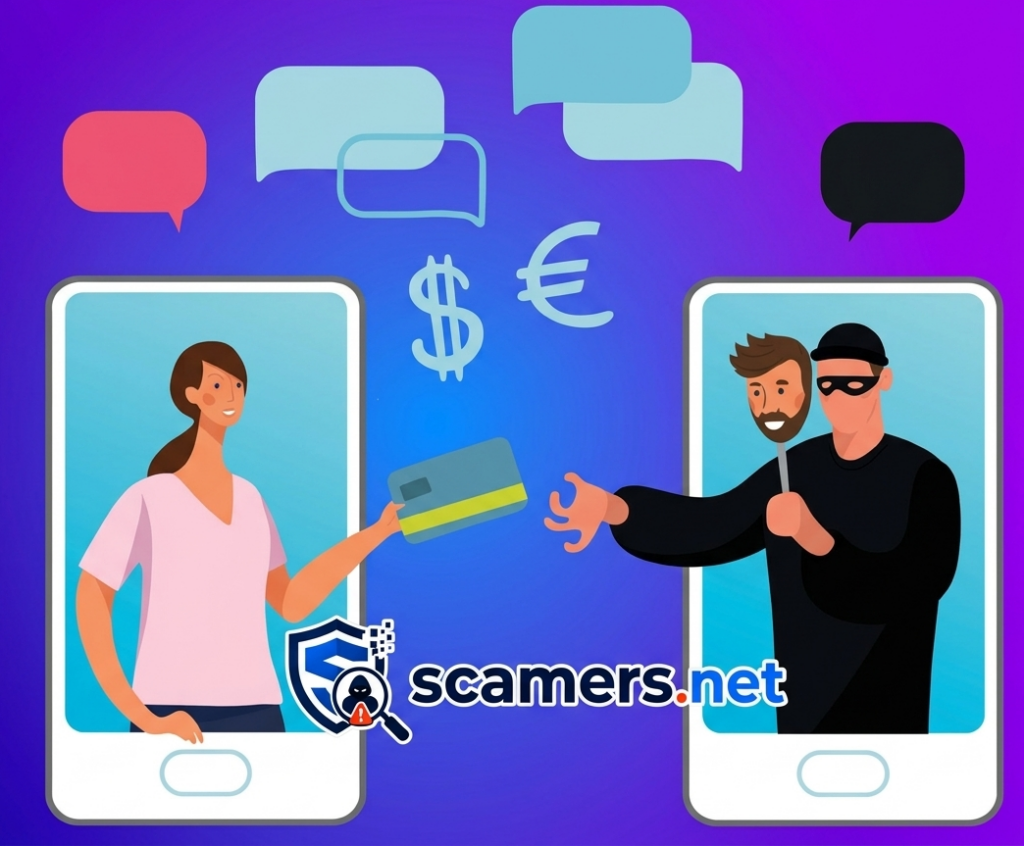
Scam Check Worldwide: How Scamers.net Helps You Verify Reported Scamer Names Before You Trust
In the digital world, trust has become one of the most valuable forms of currency. Every day, people buy products online, invest through social media, hire freelancers, transfer money across borders, build relationships through apps, and communicate with strangers through websites, marketplaces, and messaging platforms. These opportunities make life easier, faster, and more connected. But they also create space for one of the most damaging problems of the modern internet: the scam.
A scam can happen anywhere. It can appear as a fake online store, a false investment opportunity, a romance trap, a suspicious business proposal, a forged document, a fake payment screenshot, a fraudulent shipping confirmation, or a person pretending to be someone they are not. A scam may begin with friendly words, professional branding, fake reviews, copied documents, or a promise that sounds too good to ignore. By the time the victim realizes what happened, money, personal information, identity documents, or emotional trust may already be lost.
That is why Scamers.net was created: to help people check, share, and review reported scam information from around the world before making decisions that involve money, trust, identity, or personal safety. Scamers.net is designed as a global platform where users can search for reported names, review available evidence, and contribute information about suspicious activity with supporting documents. The goal is simple but powerful: help people verify before they trust.
Scamers.net is not only a website for people who have already been affected by a scam. It is also a prevention tool for anyone who wants to reduce risk before sending money, signing an agreement, shipping a product, accepting a job offer, joining an investment group, or trusting a stranger online. When used responsibly, a scam checking platform can give users another layer of awareness in a world where fraud methods are becoming more complex every year.
What Is a Scam?
A scam is a dishonest scheme designed to trick someone into giving money, personal information, goods, access, or trust under false pretenses. A scam can be simple or highly sophisticated. Some scams are carried out by one person using a fake profile. Others may involve organized networks, fake companies, copied websites, false documents, or coordinated social media campaigns.
Common types of scam activity include online shopping fraud, phishing, identity theft, romance scams, job scams, fake investment opportunities, fake loan offers, rental scams, delivery scams, cryptocurrency scams, impersonation scams, and business email compromise. Some scams target individuals. Others target companies, shops, service providers, investors, or communities.
The most dangerous part of a scam is that it often looks normal at first. A scammer may use polite language, professional photos, official-looking documents, or emotional pressure to make the victim act quickly. Many victims do not fall for scams because they are careless. They fall for scams because the scam was designed to appear trustworthy.
This is why checking information before taking action matters. Searching for names, phone numbers, usernames, company names, payment accounts, email addresses, or suspicious details may help reveal whether other people have already reported similar behavior.
What Is Scamers.net?
Scamers.net is a website built to help users check and share information about reported scam activity worldwide. It serves as a public-facing scam awareness and verification platform where people can look for reported names and review information before deciding whether to continue a transaction or relationship.
The platform is designed around three important ideas:
First, people should be able to check scam-related information before they send money or share sensitive details.
Second, victims and witnesses should have a place to report suspicious or harmful behavior with supporting evidence.
Third, scam prevention works better when communities share verified information responsibly.
Scamers.net allows users to contribute reports with evidence, including documents, screenshots, transaction records, communication history, and where available, documents from government or official sources. This evidence-based structure helps create a more useful and responsible scam database. Instead of relying only on rumors, users are encouraged to submit information that can support their claim.
The purpose of Scamers.net is not to promote online harassment or false accusation. The purpose is to support scam prevention, public awareness, and safer decision-making. Every report should be based on facts, evidence, and responsible documentation.
Why Scam Checking Matters Before Every Online Transaction
Before the internet became part of everyday life, many transactions happened face to face. People could visit a store, meet a seller, inspect goods, and confirm identities more easily. Today, many transactions happen between people who have never met. A buyer may be in one country, a seller in another, and payment may be completed instantly through digital banking, e-wallets, cryptocurrency, or international transfer services.
This speed is convenient, but it also creates risk. Once money is sent, recovering it can be difficult. Once identity documents are shared, they may be misused. Once private information is exposed, it may be used for further fraud. A scam can cause financial loss, emotional stress, legal trouble, and long-term privacy problems.
A scam check is a simple habit that can prevent bigger problems. Before sending money, users can search for the person’s name, business name, phone number, email, social media account, payment account, or other identifying details. If a report appears on Scamers.net, the user can review the available information and decide whether to pause, ask for more verification, contact authorities, or avoid the transaction.
Not every report automatically proves guilt. But a report can be a warning sign. It can help users ask better questions, request safer payment methods, avoid pressure tactics, and protect themselves from repeating the same mistake another victim already experienced.
The Mission of Scamers.net
The mission of Scamers.net is to make scam information more accessible, searchable, and useful for people around the world. Many scam victims suffer alone because they do not know where to share their experience. Others warn people on social media, but those warnings disappear quickly, become hard to search, or remain limited to one local community.
Scamers.net aims to centralize scam-related reports in a way that can be searched and reviewed. By collecting reports in one place, the platform helps create a stronger public record of suspicious activity. This can help future victims identify warning signs earlier.
The platform also supports a culture of evidence. A responsible scam report should include details that help others understand what happened. These details may include dates, communication records, payment proof, contracts, order details, identity claims, company information, official complaint documents, police reports, court documents, or other government-supported records where available.
This evidence-focused approach helps separate useful public warnings from emotional accusations. It gives readers more context and encourages contributors to report responsibly.
Who Should Use Scamers.net?
Scamers.net can be useful for many types of users.
Online shoppers can use it before buying from unfamiliar sellers. If a seller offers a very low price, requests unusual payment methods, refuses cash on delivery, or pressures the buyer to pay quickly, checking the seller’s name or account details may help reduce risk.
Small business owners can use Scamers.net before accepting large orders, hiring remote workers, working with new suppliers, or sending products before payment clears. Business scams can be costly, especially when fraud involves fake invoices, fake purchase orders, or stolen payment details.
Freelancers and service providers can use it before starting work for unknown clients. Some scammers request work first, promise payment later, and disappear after receiving files, designs, code, documents, or services.
Investors can use Scamers.net before joining unfamiliar investment groups, crypto projects, trading schemes, or private lending opportunities. Investment scams often use fake returns, fake testimonials, and urgent deadlines to pressure people into sending money.
People using dating apps or social media can use it to check suspicious romance contacts. Romance scams often involve emotional manipulation, fake emergencies, requests for travel money, medical expenses, business funds, or investment opportunities.
Job seekers can use it to check recruiters, agencies, or employers who request upfront fees, personal documents, bank details, or payment for training before employment is confirmed.
Families can use Scamers.net to help protect older relatives, young people, or anyone who may be less familiar with online fraud tactics.
In short, Scamers.net is for anyone who wants to pause, check, and verify before trusting.
How Scamers.net Works
Scamers.net works as a scam information and reporting platform. Users can visit the website to check whether a name or detail has been reported. If a user has evidence of scam activity, they may submit information to help warn others.
A responsible scam report should be as clear and factual as possible. It should explain what happened, when it happened, how the communication started, what was promised, what was paid or lost, and what evidence supports the report. The strongest reports include documentation such as screenshots, receipts, bank transfer records, chat history, invoices, official reports, government documents, or legal records.
When users read reports, they should review the evidence carefully. They should not rely only on a headline or name. Some people may have similar names. Some reports may be incomplete. Some disputes may be civil disagreements rather than intentional fraud. Scam checking should be used as part of a broader verification process.
The best approach is to combine Scamers.net with other safety steps: confirm identity, verify official company registration, use secure payment methods, avoid unusual requests, check reviews from multiple sources, and contact relevant authorities when needed.
Why Evidence Matters in Every Scam Report
Evidence is the foundation of a trustworthy scam report. Without evidence, a report can become only an accusation. With evidence, readers can understand the situation more clearly and make better decisions.
Evidence may include communication records, payment receipts, order confirmations, delivery tracking, official identity claims, contracts, business registration documents, police reports, court documents, government complaint records, or other supporting materials. The more organized the evidence is, the easier it becomes for others to evaluate the risk.
Evidence also protects the reporting process from misuse. A scam database should not be used for revenge, personal arguments, competitor attacks, or false claims. Requiring supporting information encourages honest reporting and improves the quality of the platform.
For users submitting a report, it is important to remove or hide sensitive personal information that is not necessary for public viewing. Private addresses, full bank numbers, national ID numbers, and unrelated personal details should be handled carefully. The goal is to warn others, not expose unnecessary private data.
A good scam report should be factual, specific, and fair. It should describe the behavior and provide proof. It should avoid insults, threats, or exaggerated language. The stronger the evidence, the more useful the report becomes.
Scam vs. Dispute: Understanding the Difference
Not every bad experience is a scam. Sometimes a transaction fails because of poor service, late delivery, misunderstanding, business failure, shipping delay, refund disagreement, or contract conflict. These situations may still be serious, but they may not always be intentional fraud.
A scam usually involves deception. For example, someone may pretend to sell a product they do not have, use a fake identity, provide false documents, promise impossible returns, request payment and disappear, impersonate an official organization, or manipulate someone into sending money under false claims.
A dispute may involve a real seller or service provider who delivered late, delivered poor quality, refused a refund, or failed to communicate properly. A dispute can sometimes become a legal issue, but it may not always be a scam.
This distinction matters because scam reporting must be responsible. Scamers.net is most useful when reports focus on clear evidence of deceptive or fraudulent behavior. If the matter is a business disagreement, users should explain the facts carefully and avoid making unsupported claims.
Common Types of Scam You Can Check on Scamers.net
Online Shopping Scam
An online shopping scam happens when a fake seller offers products but never delivers them, delivers counterfeit goods, sends something completely different, or disappears after payment. These scams often appear on social media marketplaces, messaging apps, classified websites, and fake e-commerce stores.
Warning signs include prices that are far below market value, refusal to use secure payment methods, pressure to pay quickly, copied product photos, no real customer service, and changing account names.
Before buying from an unknown seller, check Scamers.net for reported names, phone numbers, payment accounts, usernames, or store details.
Investment Scam
An investment scam promises high returns with low or no risk. It may involve cryptocurrency, forex trading, stocks, private lending, gold, real estate, AI trading bots, or online business programs. The scammer may show fake profit screenshots, fake testimonials, fake licenses, or fake withdrawal records.
The biggest warning sign is guaranteed profit. Real investments carry risk. If someone promises fast money, secret methods, or pressure to invest immediately, stop and verify.
Scamers.net can help users check whether a person, group, or project name has been reported before.
Romance Scam
A romance scam uses emotional trust to steal money. The scammer may build a relationship over weeks or months, then create a fake emergency. They may request money for travel, medical bills, customs fees, business problems, family emergencies, or investment opportunities.
Romance scams are especially harmful because they damage both finances and emotions. Victims may feel embarrassed and avoid asking for help. But reporting can protect others from the same pattern.
Checking names, photos, phone numbers, and messages may reveal whether similar stories have been reported.
Job Scam
A job scam targets people looking for work. The scammer may offer a remote job, high salary, easy task, or international opportunity. Then they request upfront fees, training payments, personal documents, bank details, or cryptocurrency deposits.
Legitimate employers do not usually require workers to pay money before starting a job. Job seekers should be careful when a recruiter avoids video calls, uses unofficial email addresses, provides vague company details, or pressures quick decisions.
Scamers.net can help job seekers check suspicious recruiters or agency names.
Phishing Scam
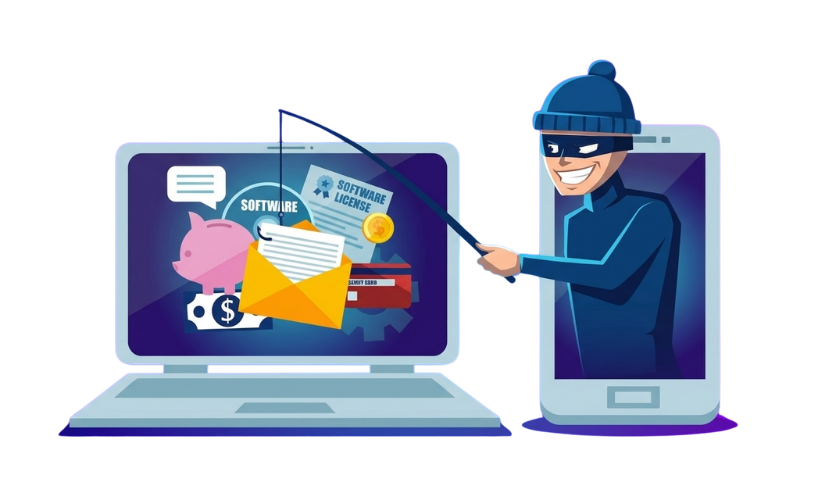
A phishing scam tricks people into revealing passwords, bank details, credit card numbers, or verification codes. The scammer may send fake emails, SMS messages, websites, or login pages that look official.
Phishing scams often impersonate banks, delivery companies, government agencies, online stores, payment services, or social media platforms.
Never enter sensitive information through suspicious links. Always check the official website directly and search for scam reports if the message looks unusual.
Fake Document Scam
Some scams use fake documents to appear legitimate. These may include fake passports, fake company registrations, fake invoices, fake bank slips, fake shipping documents, fake court papers, fake government approvals, or fake certificates.
Scamers.net encourages evidence-based reporting, which can include official documents where available. When users compare documents and reports, they may identify repeated patterns or suspicious claims.
Rental Scam
A rental scam happens when someone advertises a property they do not own or cannot legally rent. The scammer may ask for a deposit before viewing, use stolen photos, create fake contracts, or pretend to be overseas.
Before sending a deposit, renters should verify ownership, visit the property, use secure payment channels, and check whether the name or contact details have been reported.
Loan Scam
A loan scam offers fast approval, no credit check, or guaranteed money. Then the scammer asks for upfront fees, insurance charges, processing fees, or personal information.
A real lender should be properly registered and transparent about terms. Be cautious when someone asks for payment before releasing a loan.
Charity Scam
A charity scam uses sympathy to collect money for fake causes. These scams often appear after disasters, medical emergencies, or emotional social media stories. Donors should verify official charity registration and avoid sending money to personal accounts unless they can confirm legitimacy.
Business Scam
Business scams can involve fake suppliers, fake buyers, fake invoices, fake shipping, fake contracts, or impersonation of executives. Companies should check partners carefully, verify bank account changes, and train staff to recognize fraud.
Scamers.net can support businesses by helping them search for reported names and suspicious entities before completing high-risk transactions.
How to Search for a Reported Scamer
When searching on Scamers.net, use as many identifying details as possible. Search by full name, nickname, business name, website, email address, phone number, social media username, payment account, bank account name, crypto wallet address, or other unique information.
Because names can be similar, do not assume a report is about the same person unless the details match. Compare location, contact details, account numbers, screenshots, dates, and transaction patterns.
If you find a possible match, pause the transaction. Ask for additional verification. Use safer payment methods. Contact the platform where the transaction started. If money has already been lost, collect evidence and consider reporting to the appropriate authority.
How to Submit a Scam Report Responsibly
A strong scam report should include:
The name or identity used by the reported person or entity.
The platform where the contact happened.
The date and timeline of events.
The amount of money or value involved.
The promise or offer that was made.
The payment method used.
The communication records.
The evidence that supports the report.
Any official complaint, police report, court document, or government record if available.
A clear explanation of why the activity appears to be a scam.
When writing a report, stay factual. Avoid personal insults. Do not publish unrelated private information. Do not alter evidence. Do not create fake documents. Do not exaggerate the story. A responsible report helps other people and strengthens the credibility of the scam database.
Why Scamers.net Uses Community Reports
Scams spread quickly. A scammer may target many victims across different cities, countries, platforms, and languages. One person may report on social media, another may report to a marketplace, and another may report to local authorities. But if these warnings remain scattered, future victims may not find them in time.
Community reporting helps connect the dots. When users share reports in one searchable place, patterns become easier to identify. A phone number may appear in multiple reports. A payment account may be linked to different fake stores. A romance scam script may be reused with different names. A fake investment group may target people in multiple countries.
Scamers.net helps turn individual experiences into collective protection. One report may prevent many future losses.
The Role of Government Documents and Official Evidence
Government documents and official records can make scam reports stronger when they are relevant and legally shareable. These may include police complaint records, court filings, business registry documents, consumer protection reports, identity verification documents, or official notices.
However, users should handle official documents carefully. Some documents may contain private information that should not be publicly exposed. Before uploading or sharing, users should consider redacting sensitive details that are not necessary for public warning.
Official evidence does not always mean a person has been convicted of a crime. A complaint, report, or investigation may show that a matter was reported, but readers should understand the difference between an allegation, an investigation, and a final legal judgment.
For this reason, Scamers.net content should use responsible wording such as “reported scam activity,” “alleged scam behavior,” “user-submitted evidence,” or “available supporting documents.” This protects fairness while still helping the public stay informed.
How Scamers.net Helps Victims
Victims of scams often feel isolated. They may feel ashamed, angry, confused, or afraid. Many victims blame themselves, even though scams are designed to manipulate trust and emotion. Scamers.net gives victims a place to turn their experience into a warning that may help others.
By submitting a report, victims can organize their evidence, describe the pattern, and make the information searchable. This does not guarantee recovery of money, but it can create public awareness. It may also help other victims recognize that they are not alone.
Victims should also take practical steps: contact their bank or payment provider, report the scam to the platform where it happened, change passwords if personal information was shared, monitor accounts, collect all evidence, and contact local authorities when appropriate.
How Scamers.net Helps Buyers
Buyers face risk every time they purchase from an unknown seller. A scam seller may use stolen product photos, fake reviews, fake tracking numbers, or temporary social media accounts. Scamers.net helps buyers check before paying.
Before buying, search for the seller’s name, shop name, phone number, payment account, and username. If reports appear, review them carefully. If the seller refuses secure payment, avoids clear communication, or pressures immediate transfer, consider it a warning sign.
A few minutes of checking can save money and stress.
How Scamers.net Helps Sellers
Sellers can also become victims. Fake buyers may send false payment slips, claim they overpaid, request refunds before payment clears, use stolen cards, or trick sellers into shipping goods without real payment.
Sellers can use Scamers.net to check suspicious buyers, especially for high-value items. They should confirm payment directly through their bank or payment provider, avoid relying only on screenshots, and be careful with unusual shipping instructions.
How Scamers.net Helps Businesses
Businesses face many fraud risks, including fake suppliers, fake invoices, impersonation, chargeback fraud, stolen identities, and fraudulent purchase orders. Scamers.net can support business due diligence by helping teams search for reported names and entities before completing transactions.
A business should not rely on one source only. But Scamers.net can be one useful step in a broader risk management process. Companies can combine scam database searches with official registry checks, contract review, identity verification, secure payment policies, and staff training.
Scam Prevention Checklist
Before sending money or personal information, ask these questions:
Have I searched the name, phone number, email, username, payment account, or company name?
Does the offer sound too good to be true?
Is the person pressuring me to act quickly?
Are they refusing safe payment methods?
Are they using emotional manipulation?
Do their documents look official, or could they be fake?
Can I verify the company through official sources?
Can I contact them through a verified website or official channel?
Have other people reported similar behavior?
Am I being asked to keep the transaction secret?
If several warning signs appear, stop and verify before continuing.
Why the Keyword “Scam” Matters
The word “scam” is one of the most searched terms by people who are worried about fraud. Users search for phrases like “is this a scam,” “scam check,” “report scam,” “online scam,” “investment scam,” “romance scam,” “scam website,” and “scam phone number.” These searches often happen at urgent moments, when someone is about to send money or has just realized something may be wrong.
By creating helpful, evidence-based content around the keyword “Scam,” Scamers.net can reach people at the exact moment they need protection. Good SEO content should not only repeat the keyword. It should answer real questions, explain real risks, and guide users toward safer action.
The best scam prevention content is clear, practical, and trustworthy. It helps users understand warning signs, check information, and report responsibly.
Why the Keyword “Scamer” Matters
The word “Scamer” is often used by people searching quickly for scammer-related information, especially when spelling variations appear across different languages and regions. While “scammer” is the standard English spelling, “Scamer” may still be typed by users who are searching for a scam database, a reported scam name, or a person accused of fraud.
Scamers.net can use the keyword “Scamer” naturally as part of its brand identity and search strategy. For example, the website can rank for terms such as “Scamer check,” “Scamer report,” “Scamer database,” “reported Scamer name,” and “Scamer list worldwide.”
To build long-term SEO strength, Scamers.net should include both standard and branded keyword variations while keeping the content natural and useful.
Trust, Safety, and Responsibility
A scam reporting platform must balance public safety with fairness. People need a way to warn others, but reports should be handled responsibly. False accusations can harm innocent people. Incomplete reports can confuse readers. Personal information must be treated carefully.
Scamers.net should encourage users to submit accurate evidence, update reports when new information becomes available, and avoid using the platform for personal revenge or harassment. Readers should understand that reports are user-submitted and should be reviewed carefully.
Responsible scam prevention is not about spreading fear. It is about giving people better information before they make risky decisions.
Why Scamers.net Can Become a Global Scam Awareness Platform
Scams are not limited by borders. A fake seller can target buyers in another country. A romance scammer can use stolen photos from one region and contact victims in another. A fake investment platform can collect money from people worldwide. A scam phone number, crypto wallet, email address, or social media account can appear in many different cases.
A global scam database helps connect these international patterns. Scamers.net has the potential to become a worldwide resource for checking reported scam information, sharing evidence, and improving public awareness.
To grow globally, the platform should focus on multilingual accessibility, strong search functionality, clear report categories, evidence quality, privacy protection, and educational content. The more useful the platform becomes, the more people will use it before taking risks.
Suggested Homepage Introduction for Scamers.net
Scamers.net is a global scam checking and reporting platform designed to help people verify reported names, review evidence, and protect themselves before making online transactions. Whether you are buying products, hiring services, investing money, meeting someone online, or dealing with an unfamiliar business, Scamers.net helps you search for reported scam activity and make safer decisions.
Our platform allows users from around the world to share scam reports with supporting evidence, including screenshots, transaction records, communication history, and official documents where available. By collecting scam information in one searchable place, Scamers.net helps communities warn each other, reduce fraud risk, and build a safer digital environment.
Before you trust, check. Before you pay, verify. Before someone else becomes a victim, report responsibly.
Suggested Call to Action
Search now on Scamers.net before sending money, signing an agreement, or trusting an unknown person online. If you have been affected by a scam, submit a responsible report with evidence and help protect others worldwide.
FAQ: Scamers.net and Scam Checking
What is Scamers.net?
Scamers.net is a global platform for checking and sharing reported scam information. Users can search for names, review reports, and submit scam-related evidence to help warn others.
Is Scamers.net free to use?
Scamers.net is designed as a public information-sharing platform where users can check and share scam-related information.
Can I report a scam on Scamers.net?
Yes. Users can submit reports with supporting evidence such as screenshots, payment records, communication history, and official documents where available.
Does a report mean someone is legally guilty?
No. A report is user-submitted information and should be reviewed carefully. Unless there is a final legal judgment, reports should be understood as allegations or reported activity supported by available evidence.
What kind of evidence should I include?
Useful evidence may include chat records, payment proof, receipts, invoices, screenshots, social media profiles, website links, official complaint documents, police reports, or court documents where legally shareable.
Should I hide private information before submitting?
Yes. Sensitive information such as full ID numbers, private addresses, bank account numbers, and unrelated personal data should be handled carefully or redacted when appropriate.
Can Scamers.net help me recover money?
Scamers.net can help with public awareness and information sharing, but recovery depends on banks, payment providers, platforms, law enforcement, and legal processes.
Why should I check Scamers.net before paying someone?
Checking before payment may reveal previous reports, suspicious patterns, or warning signs that help you avoid financial loss.
What types of scam can be reported?
Reports may involve online shopping scams, romance scams, investment scams, job scams, rental scams, fake documents, phishing, fake sellers, fake buyers, business fraud, and other suspicious activity.
How can I protect myself from a scam?
Search before paying, verify identity, use secure payment methods, avoid pressure tactics, check official records, protect personal information, and report suspicious activity with evidence.
Our Partners





We are an independent organization not affiliated with any government agency. Our mission is to combat widespread fraud around the world.
Independent organizations
Why Choose Us

Passionate
Tempor ullamcorper urna, est, lectus amet sit tempor pretium mi sed morbi cras posuere sit ultrices bibendum augue sit ornare.

Professional
Tempor ullamcorper urna, est, lectus amet sit tempor pretium mi sed morbi cras posuere sit ultrices bibendum augue sit ornare.

Support
Tempor ullamcorper urna, est, lectus amet sit tempor pretium mi sed morbi cras posuere sit ultrices bibendum augue sit ornare.